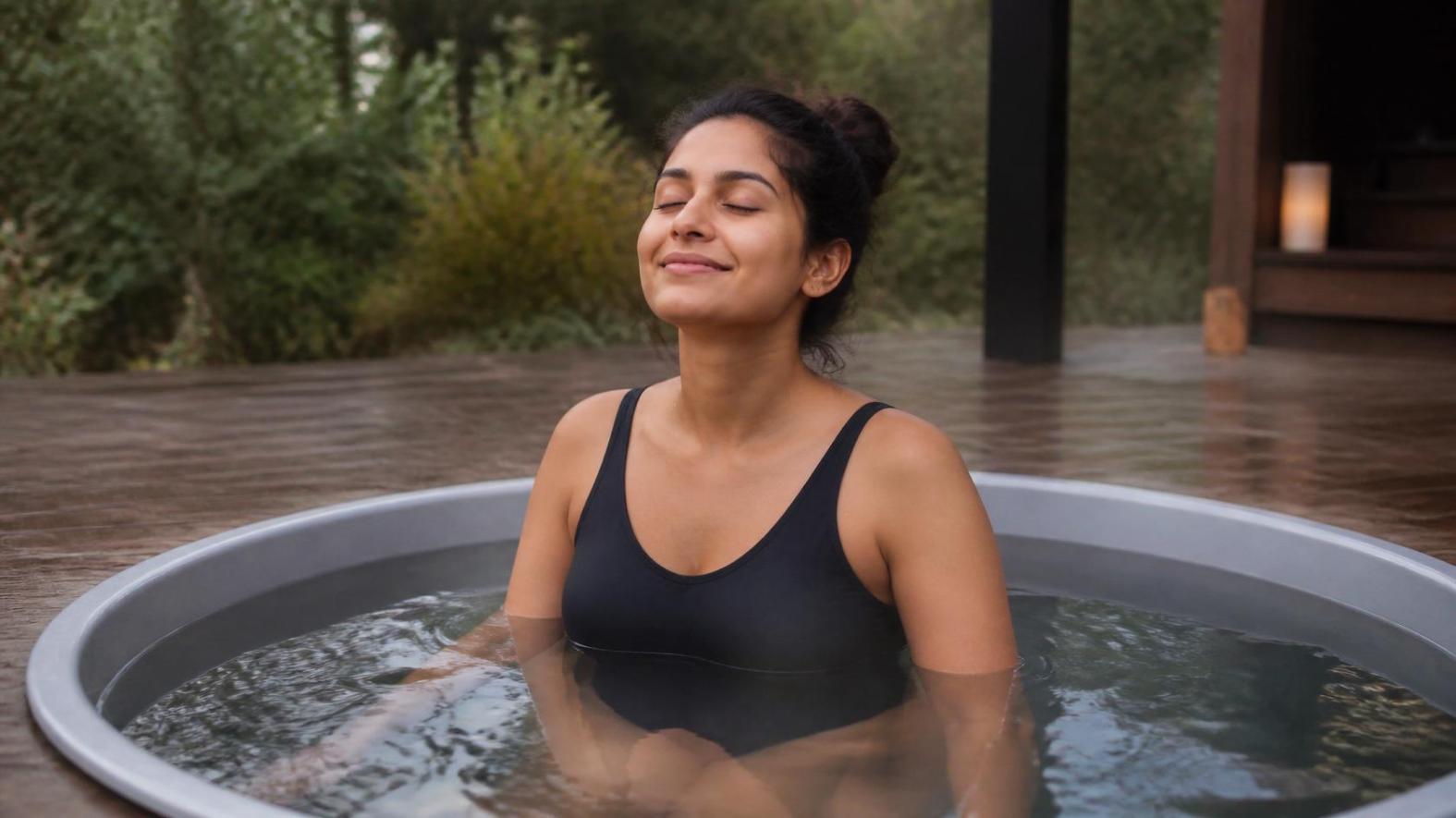
There’s a specific kind of stillness that follows cold water immersion. Your breath seizes. Your body pulls tight. For a moment, nothing else exists except the cold pressing in from every direction. And then, strangely, the panic fades and something quieter takes its place.
This is what people keep trying to describe about a cold plunge, and mental health professionals have started paying attention.
For a long time, ice baths belonged to elite athletes and the most committed gym obsessives. That’s changed. These days, cold exposure is turning up in therapists’ recommendations, wellness newsletters, and the kind of conversations between friends that have shifted away from counting macros toward something harder to name but easier to feel.
It’s worth taking seriously. What the interest points to is a growing curiosity about whether small, intentional physical discomfort can actually help an anxious mind settle.
The Body Learns Something That the Mind Can’t Teach
Anxiety often lives in the body long before the thinking brain catches up. A tight chest. A heart rate that climbs for no obvious reason. Shallow breathing that makes everything feel more urgent.
Talk therapy does a lot of good, but some therapists argue that if the body stays in that wound-up state, the mind keeps getting pulled back in regardless of how much insight a person has developed.
Cold exposure seems to interrupt that pattern in a pretty direct way. When you get into cold water, your nervous system doesn’t wait for instructions. Your heart rate jumps, your breathing goes ragged, and everything in you wants out.
But if you stay and get your breathing under control, your body recalibrates. It learns, in real time and under real duress, that it can move through a stress response and come out the other side.
A nurse I interviewed put it plainly. “I stopped being scared of feeling uncomfortable,” she told me. “Once you sit in freezing water for two minutes and realize you’re fine, a stressful email doesn’t feel as threatening anymore.”
That’s anecdotal. Nobody serious is suggesting an ice tub replaces therapy or medication. But the same thing keeps coming up in the accounts people share, and that pattern is at least worth noting.
Physiological Reactions
There’s actual biology behind what people are reporting, even if the research hasn’t fully caught up yet. Cold exposure triggers a release of norepinephrine, a hormone linked to alertness and mood stability. Some studies suggest the spike can improve concentration and lift mood for several hours after the exposure ends.
The breathing piece matters too. The first time most people get into cold water, they gasp and hyperventilate. What comes next, if they stay, is a deliberate slowing of the breath. That process of learning to regulate your breathing while your body is under physical stress is, in effect, practice.
It’s the same skill needed when anxiety spikes in daily life, rehearsed in a setting that’s temporary and entirely voluntary.
Sleep is also part of the conversation. Regular cold exposure is associated with falling asleep more easily and waking up feeling more rested. Since sleep and anxiety tend to amplify each other in a loop, anything that helps break that cycle is worth considering.
Caution, Not All Bodies Are Alike
Cold immersion is not a fix for everything, and it’s not safe for everyone. Certain cardiovascular conditions make it genuinely risky. If there’s any uncertainty about blood pressure or heart health, it makes sense to check with a doctor before starting. For some people, especially those who haven’t built up any tolerance, immersion can spike anxiety rather than reduce it.
A therapist I know who incorporates cold exposure into her practice was clear about how she frames it. “I never offer it as a substitute for the work we do together,” she said. “Sometimes it’s a useful tool. But it works best alongside everything else, not instead of it.”
That framing seems to reflect the broader consensus. Most voices in this space treat cold water the way they treat movement, rest, and community: as one element in a larger picture, not the whole answer.
Small Doses, Consistent Practice
What seems to matter more than temperature or duration is doing it regularly. A few short exposures each week tend to produce more noticeable results than chasing extreme cold. The nervous system responds to repetition.
Part of what makes a consistent cold practice useful is the ritual around it as much as the cold itself. In that sense, it overlaps with mindfulness, though the focus is less on the breath in the abstract and more on what the body is actually experiencing in a difficult moment.
A college student told me he started using cold showers during finals as a kind of reset. “It’s two minutes of not being able to think about anything other than getting through it,” he said. “Weirdly, that’s the calmest my brain feels all day.”
A Practice Worth Watching
Nobody is claiming cold showers resolve serious depression or clinical anxiety on their own. But interest in this kind of physical practice has grown steadily, and it fits into a broader shift in how people are thinking about mental wellness.
Part of that shift is people looking for tips to improve mental health in winter, a time of year when mood tends to dip and motivation to go outside or move drops off. Cold exposure, which can be done in a shower at home, offers something accessible and immediate during those months.
Whether cold immersion earns a permanent place in mainstream mental health care is still an open question. But it keeps coming up, it keeps resonating with people, and right now that’s enough to take it seriously.


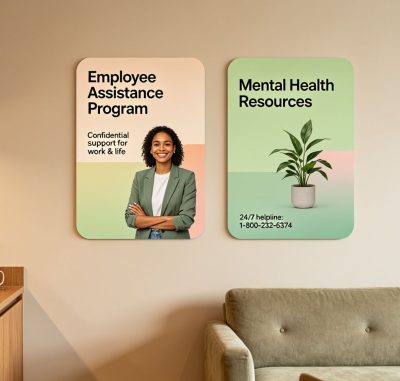 More than one in five adults in the United States experiences a mental health condition each year, according to National Institute of Mental Health data. In New York City, where millions of residents navigate fast-paced urban life, awareness campaigns remain vital. While digital platforms dominate communication strategies, hospitals, schools, nonprofits, and employers continue to rely on large-format posters. Services like poster printing NYC provide organizations with a tangible way to reach diverse audiences in public spaces.



 Many people in Vienna use their attic as a place to store items they no longer need every day. Over time, these spaces become filled with old furniture, forgotten boxes, broken electronics, unused clothing, and sentimental belongings. While it may seem harmless to keep these things out of sight, cluttered attic spaces can quietly affect a person’s mental well-being.
 For busy professionals, the workday rarely ends with the office bell. Emails demand attention at night. Meetings spill into evenings. Weekends fill with errands, family duties, or simply the need to recover from a long week. In the middle of all this, household cleaning often becomes one more task competing for attention, which is why many people turn to professional services like Al-Masa Home Cleaning Company (شركة الماسة تنظيف منازل) to keep their homes clean and organized without adding more stress to their already busy schedules.
 Be it in the emotional touching drama, a light-hearted comedy, or a heartening true story, movies have a kind of therapy that words alone cannot always offer. They enable us to experience emotions in a safe manner, view ourselves a bit in the characters, and acquire a fresh viewpoint on the problems of life. At a time when mental health is becoming more popular, watching movies can be a stressful experience as well as an intellectual one, which, when combined with a sense of calmness, can bring back inner peace and equilibrium.
 We often think of cleaning as a chore, something to get through, rather than something that can help us feel better. But there’s more to a clean home than appearances. The way we maintain our surroundings, especially the spaces where we relax, can directly impact how we think and feel. Using effective couch cleaners, for instance, does more than improve how a room looks it
 Stress levels have surged globally, with more people seeking ways to manage anxiety, burnout, and emotional fatigue. Whether it’s the pressure of work, the noise of social media, or the weight of personal struggles, the need for mental clarity has never felt more urgent. Fortunately, digital wellness tools are evolving to meet this demand, offering gentle guidance and expert support right at our fingertips.


 In recent years, discussions around mental health have gained much-needed attention. One area where this conversation is growing is in the world of EPL broadcast (source: EPL 중계). Sports broadcasting is fast-paced, exciting, and unpredictable, but it also brings its share of challenges that can impact mental well-being.


 One of the key benefits of using a stress-free AI email writer is
 In the bustling heart of Seoul, South Korea, lies the vibrant and upscale district of Gangnam. Known for its luxurious shopping centers, trendy nightclubs, and sleek skyscrapers, Gangnam has long been a symbol of wealth and success. But beneath the glitz and glamour, there is a silent struggle that many residents of Gangnam face:
  However, change is slowly starting to happen. Online platforms have emerged as
  Are you considering installing a gate on your property in Fort Worth? While it may be tempting to tackle the installation yourself, there are several reasons why hiring a professional Fort Worth gate installation service is the way to go. They are not only a reputable company, but also an established one. For sure,
  Perhaps most importantly, professional gate installation helps to guarantee your safety. Gate installation involves working with heavy materials, power tools, and electrical components. Without the proper knowledge and experience, you could not only put yourself at risk but also create safety hazards for others. By hiring professionals,

 Overall, microneedling offers an innovative and effective way to boost not only our physical appearance but also our mental well-being. By triggering the release of endorphins, reducing stress levels, and improving self-confidence, this beauty treatment has the potential to improve our mental health in significant ways. So, if you’re looking for a holistic approach to self-care that
 Mental health has become a focal point of discussions surrounding overall well-being. The journey to mental wellness, however, can be riddled with various obstacles, one of which is accessibility to mental health services. This is where the significance of shuttle services like airport shuttle transfers to Breck comes into the limelight.


